


Hotel furniture is more than a matter of style. In commercial hospitality environments, every chair, table, and sofa must withstand constant use, meet strict safety standards, and uphold the professional image of the establishment.
This is where the term contract-grade comes in. Understanding what qualifies as contract-grade furniture is essential for the reputation of your hotel. So, keep reading and discover what counts as contract-grade furniture…
What does “contract-grade” mean?
To put it simply, “contract-grade” means a product is built to meet the high durability, safety, and performance standards for heavy use in public and commercial environments.
Unlike residential furniture, which is built for occasional use in private homes, contract furniture is engineered to withstand heavy traffic, frequent cleaning, and years of repeated wear.
Contract-grade furniture can be defined by the following characteristics:
- Durability – built to withstand thousands of cycles of use, cleaning, and movement
- Safety – meets fire resistance and stability requirements
- Compliance – tested against recognised British and European Standards
- Functionality – designed for ease of maintenance and longevity
- Professional finish – materials and construction methods suitable for high-profile hospitality settings
Furniture classified as “contract-grade” is the standard in hotels, restaurants, offices, schools, healthcare facilities, and countless other venues where reliability and safety are non-negotiable.
How does contract furniture differ from residential furniture?
The difference between contract and residential furniture is more than a matter of setting.
The distinctions come down to how each piece is conceived, built and tested. If you imagine an armchair or sofa in a home, you might expect it to see a couple of hours use each day, depending on the lifestyle of the homeowners. The same furniture in a hotel might see multiple occupants throughout the day and evening, subjecting them to varying levels of stress.
Comparatively speaking, the usage expectations of residential furniture are relatively light. Materials may be less expensive, and construction methods are typically sufficient for occasional use. As a result, domestic furniture typically has a shorter lifespan and is not expected to withstand the rigours of constant use.
By contrast, contract furniture is manufactured to commercial standards. It is purposely strengthened for use in public environments where chairs, tables, and sofas are subject to heavy wear.
Frames are glued, screwed and dowelled at critical joints, fabrics are tested to high Martindale rub counts, and foams are treated to meet fire safety regulations such as Crib 5. Surfaces are finished with laminates or solid timbers that resist scratches, stains, and heat.
These details help to make sure that contract furniture remains strong, stable and safe even after years of repeated use.
It’s a crucial distinction for hotels. Choosing residential furniture may seem like the cost-effective option initially, but this shortsightedness often leads to premature replacement, safety concerns and disruption.
Contract-grade pieces, on the other hand, are built to last and maintain their appearance, protecting both budgets and guest satisfaction.
What safety standards apply to contract-grade furniture?
One of the most important features of contract-grade hotel furniture is its compliance with recognised British and European Standards.
These standards act as the benchmarks of furniture safety, durability, and suitability in demanding hospitality environments.
While a granular understanding of these standards is not necessary, hotel owners and procurement managers should be aware of the various requirements made by each standard.
Seating is covered by BS EN 16139, which sets out the safety, strength, and durability requirements for non-domestic chairs and sofas. This standard subjects seating to rigorous mechanical tests, simulating years of use by guests of varying weights. It ensures that frames, joints, and mechanisms can withstand repeated loading without failure.
Tables fall under BS EN 15372, which specifies requirements for the strength, durability, and safety of non-domestic tables. The tests include stability checks to prevent tipping, load-bearing assessments to confirm resilience under heavy use, and durability trials to replicate long-term wear. Successful application means confidence that dining tables, conference tables and occasional tables will remain stable and safe even in high-traffic areas.
Storage furniture such as wardrobes, cabinets, and sideboards is governed by BS EN 16121, which covers safety, strength, durability, and stability for non-domestic storage units. This ensures that drawers, doors, and shelving can withstand repeated use without compromising safety.
Beds are tested under BS EN 1725, which defines essential safety and strength standards for non-domestic sleeping furniture. This is particularly relevant for hotels, where beds must endure constant turnover and cleaning.
Fire safety is another critical area for all hotel furniture. Upholstered seating must comply with BS 7176, which specifies resistance to ignition for non-domestic furniture. This standard categorises furniture by hazard level (low, medium, or high) depending on the environment.
Hotels typically fall into the medium hazard category, requiring fabrics and fillings that resist ignition from cigarettes and small flames. Supporting standards such as BS EN 1021-1 and 1021-2 test upholstery against smouldering cigarettes and open flames.
Together, these requirements ensure that hotel furniture reduces the risk of fire spread and meets legal obligations.
These standards cover the myriad safety and strength standards necessary for contract-grade furniture. So to make these standards easier to digest, here is a brief summary:
| Standard | Applies to | Purpose | Notes |
| BS EN 16139 | Seating | Strength, durability, safety | Confirms non-domestic seating can withstand repeated use |
| BS EN 15372 | Tables | Strength, durability, safety | Covers non-domestic tables, including stability and load-bearing |
| BS EN 581 | Outdoor furniture | Safety, durability, weather resistance | Multipart standard (EN 581-1, -2, -3) covering outdoor seating and tables |
| BS 7176 | Upholstered furniture | Fire resistance (hazard levels) | Specifies ignition resistance for non-domestic seating; hazard categories (low, medium, high) |
| BS EN 1021 (Parts 1 & 2) | Upholstery fabrics | Fire resistance (cigarette/open flame) | Tests fabrics against smouldering cigarettes and small flames |
| BS EN 1728 | Seating | Mechanical performance testing | Defines test methods for strength and durability of seating structures |
| BS EN 1725 | Beds | Strength, durability, safety | Defines safety and strength requirements for non-domestic sleeping furniture |
| BS EN 16121 | Non-domestic storage furniture | Strength, durability, safety | Applies to non-domestic storage furniture such as wardrobes, cabinets, sideboards |
Compliance with these standards is not simply about ticking boxes. It is about protecting guests, reducing liability, and ensuring that furniture investments deliver long-term value.
Suppliers with genuine expertise in contract furniture, such as Rosehill, provide reassurance that every product has been tested to meet these demanding requirements.
What materials, finishes, and construction methods are used in contract-grade furniture?
The materials and methods used in manufacturing hotel furniture are central to whether it qualifies as contract-grade. Every element from the frame to the fabric must be chosen with durability, safety, and ease of maintenance in mind.
Frames
Frames and structures are quite literally the foundation of contract furniture. Solid hardwoods such as beech or oak are commonly used for seating, offering strength and stability that lighter softwoods cannot match.
Reinforced steel or aluminium frames are also widely used, particularly for chairs and tables that need to withstand constant movement. The way these frames are joined is equally important. Mortise-and-tenon joints, dowelled connections and welded metalwork provide far greater resilience than simple glued joints found in domestic furniture.
Upholstery
Upholstery and fillings need to meet strict performance criteria. Fabrics are tested using the Martindale rub test, which is the internationally recognised method for measuring the durability of upholstery fabrics.
A fabric sample is stretched between discs and rubbed with sandpaper or wool until visible wear appears. The number of rub cycles completed before distress is recorded as the Martindale rating. This figure tells buyers whether a fabric is suitable for decorative use, domestic furniture, or heavy‑duty commercial environments such as hotels.
| Martindale Rating (cycles) | Classification | Typical use |
| 10,000 or less | Decorative | Cushions, accents – not suitable for upholstery |
| 10,000 – 15,000 | Light domestic | Occasional use furniture – delicate fabrics such as cotton silk |
| 15,000 – 25,000 | General domestic | Everyday household furniture – not suitable for high‑stress seating |
| 25,000 – 30,000 | Heavy duty | Heavy use domestic furniture, recliners, motion furniture – light commercial use |
| 30,000 or more | Commercial grade | Heavy‑duty commercial/domestic furniture – suitable for hotels and other public environments |
For hotels, fabrics rated at 30,000 cycles or above are considered contract‑grade. At this level, upholstery can withstand the constant use expected in hospitality settings while maintaining its appearance and integrity.
Note: many of the upholstery options from Rosehill far exceed 100,000 rubs!
Fire safety
When discussing contract‑grade hotel furniture, fire safety is as important as durability. In the UK, upholstered furniture used in commercial environments must comply with Crib 5 regulations, also known as Ignition Source 5.
This requirement stems from the UK Fire Regulations of 1988, which make it an offence to use mattresses, beds, or seating that do not meet the relevant standards. Non‑compliance can lead to prosecution and invalidate insurance policies.
The test uses a small wooden lattice structure, known as the “crib”, built from five tiers of wood. This crib is placed on or against the fabric being tested, then set alight and allowed to burn for up to ten minutes. To pass, the fabric and fillings must resist ignition and extinguish naturally within that period. If flames continue beyond ten minutes, the product fails.
Compliance with Crib 5 is a legal requirement for contract furniture in hospitality environments, protecting guests and staff while safeguarding the business against liability.
Surfaces and finishes
Surfaces and finishes are selected for their practicality. High-pressure laminates (HPL) are widely used on tabletops, offering resistance to scratches, heat, and moisture. Powder-coated metals prevent corrosion, while specialist lacquers protect timber against wear and cleaning chemicals.
These finishes maintain a professional appearance over time, so that the furniture continues to look inviting even after years of service.
How to find the right contract-grade furniture supplier
Unfortunately, not all suppliers who describe their products as “contract-grade” meet the necessary standards.
Therefore, if you are in the market for hotel furniture, you should adopt a structured approach to evaluation.
The first step is to request certification. Genuine contract furniture suppliers will provide BS/EN test reports and fire safety certificates for any and all furniture they provide.
Next, look closely at fabric specifications. Commercial upholstery should achieve at least 30,000 Martindale rub cycles and meet Crib 5 fire safety requirements.
Construction quality is another indicator. Reputable suppliers will explain how frames are reinforced, which joinery methods are used, and what finishes protect surfaces against scratches and cleaning chemicals.
If a supplier cannot provide clear documentation on the standards, specification, and construction, that is a clear warning sign.
Finally, consider the supplier’s track record. Established companies with decades of experience in hospitality projects are far more likely to deliver furniture that performs as promised.
Rosehill has been supplying contract furniture to hotels and public venues for over 40 years. Our ranges are designed specifically for commercial environments, tested to the relevant standards, and supported by warranties that reflect confidence in long‑term performance.
For hotels, the safest route is to partner with a supplier whose expertise is proven. Rosehill’s reputation in the contract furniture sector means buyers can trust that every product meets the demands of hospitality use.
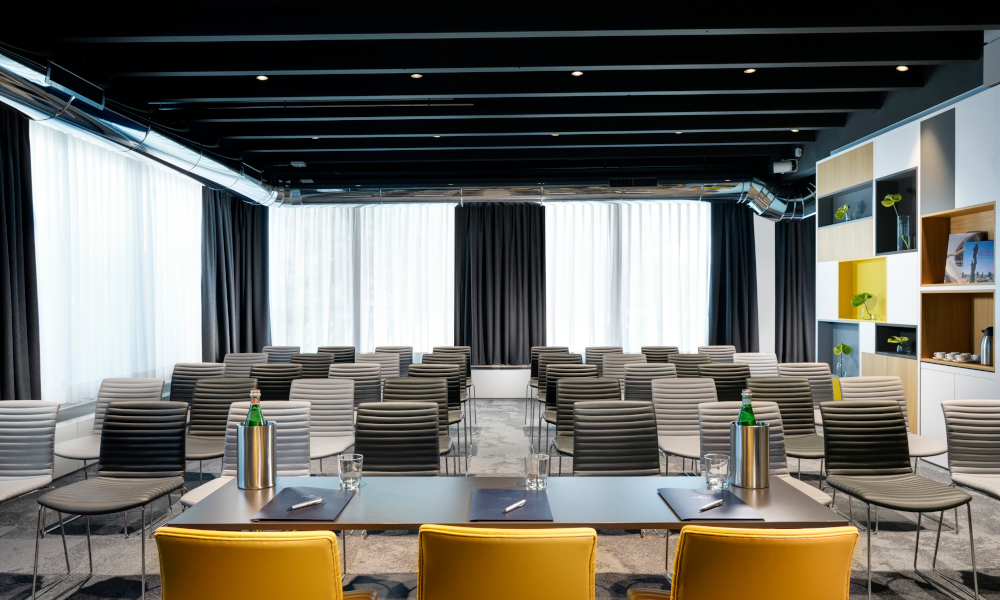
Find the right contract-grade hotel furniture at Rosehill
Investing in contract-grade furniture is not simply about meeting regulations. It’s about protecting guest safety, reducing long-term costs, and improving a hotel’s reputation.
At Rosehill, we provide furniture that meets the rigorous demands of the hospitality sector, helping hotels create spaces that are welcoming, compliant, and built to last.
We take a consultative approach to ensure you find the perfect furniture that meets your specific needs and budget. With our long-standing relationships with leading furniture manufacturers, we often secure bulk buying discounts that are hard to beat.
Shop hospitality furniture at Rosehill now
For more commercial and contract furniture buying guides, information and advice, read the Rosehill blog…
What is the Martindale Rub Test? | Why Do You Need Contract Furniture? | Rosehill’s Top Contract Furniture Buying Tips
